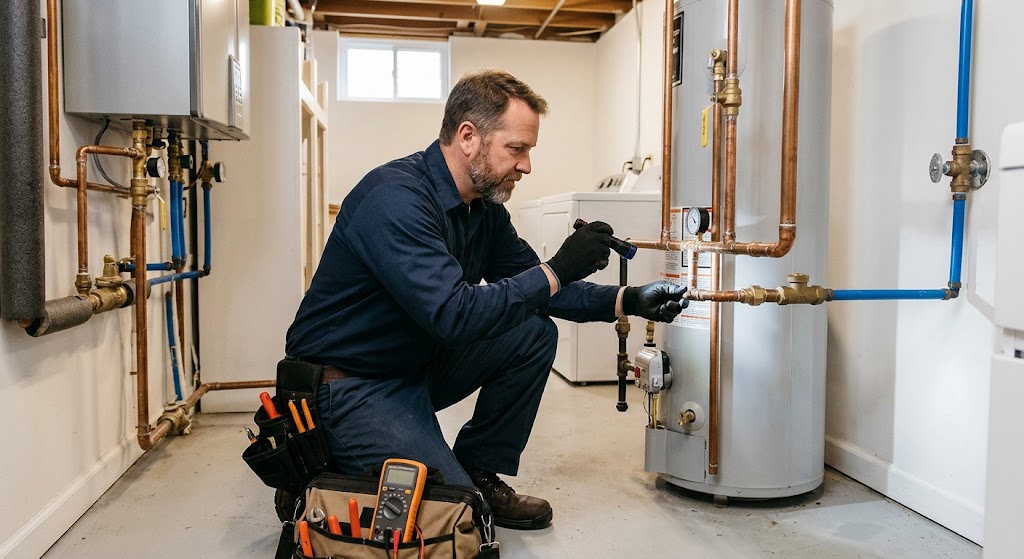
Water Heater Repair & Diagnostic Services in Honolulu, HI
Connecting Honolulu homeowners, condominium residents, and property managers with experienced independent plumbing trade professionals for rapid hot water restoration.
Comprehensive Water Heater Troubleshooting Across Honolulu
A dependable domestic hot water supply is essential for daily household hygiene, culinary preparation, and sanitation. When your water heater begins producing lukewarm water, emits unusual popping noises, or shows signs of exterior weeping, prompt diagnostic assessment prevents catastrophic tank rupture and costly interior water damage.
Honolulu residences present diverse water heating installations, ranging from compact electric storage tanks positioned inside interior condo utility closets to exterior direct-vent systems and multi-family central boilers. Interior condominium water heaters require heightened vigilance: a failed temperature-and-pressure relief (TPR) valve or a rusted tank bottom can quickly release dozens of gallons into neighboring units below, leading to major property liability.
Common Symptoms of Water Heater Malfunction
- Inconsistent or Tepid Water: In electric water heaters, this frequently points to a burnt-out upper or lower heating element, a tripped thermal high-limit switch, or a defective thermostat.
- Popping or Rumbling Noises: Over months of heating, dissolved calcium and silica minerals precipitate out of the water, collecting at the bottom of the tank. Steam bubbles trapped beneath this calcified sediment layer erupt violently, creating loud rumbling noises and overheating the tank bottom.
- Rusty or Discolored Hot Water: When hot water runs reddish-brown while cold water remains clear, the water heater's internal sacrificial anode rod has likely depleted, allowing corrosive oxidation of the steel tank lining.
- Moisture Around Tank Base: Weeping around pipe nipples, drain valves, or the temperature-pressure relief valve discharge pipe demands immediate professional inspection before total tank seam compromise occurs.
Diagnostic Process and Repair Options
Participating independent contractors follow a rigorous diagnostic protocol: testing electrical continuity across upper and lower heating elements, verifying voltage input, calibrating thermostat differentials, and checking the operational pressure rating of the TPR safety valve. In many instances, timely component replacements—such as swapping a faulty 4500-watt heating element or replacing a worn relief valve—restores full operating efficiency without requiring a complete appliance replacement.
Protecting Your Water Heater in Honolulu's Coastal Climate
Ambient coastal humidity and warm temperatures across Oahu accelerate exterior galvanic oxidation on uninsulated tank fittings and electrical terminals. Annual tank sediment flushing, periodic sacrificial anode inspection, and installation of durable catch pans with automatic shut-off safety valves provide robust protection for Honolulu properties.
Connection Platform Disclosure
Hawaii Plumbing connects consumers with independent plumbing contractors serving Urban Honolulu. We do not perform plumbing work directly. Participating contractors manage their own licensing, insurance, estimates, and service schedules.

Water Heater Repair Questions in Urban Honolulu
Common questions regarding water heater repair diagnostics, service procedures, and maintenance in Urban Honolulu.
In dual-element electric water heaters, a failed upper heating element prevents initial water heating, while a failed lower element limits overall hot water recovery. An independent plumber can test element continuity to replace the defective component.
Locate and shut off the cold water inlet valve atop the heater immediately, switch off the dedicated circuit breaker in your electrical panel, and call our dispatch desk at (888) 205-7875 to connect with an independent contractor.
Standard storage tank water heaters generally last between 8 to 12 years in Hawaii. Elevated humidity, salt-laden ambient air, and mineral precipitation contribute to tank wear, making routine anode maintenance essential.